Redbridge council rules for public flowers displays and permits
Posted on 27/10/2026
If you are planning a floral display in a public place, the Redbridge council rules for public flowers displays and permits can feel a bit confusing at first. That is fair enough. One minute you are thinking about flower crates, planters, or a lovely community tribute; the next you are wondering whether you need permission, where the display can sit, and who is responsible if something gets damaged or blocks the pavement.
This guide breaks it down in plain English. You will learn when public flower displays usually need permission, what the council is likely to care about, how to prepare a sensible application, and how to avoid the small mistakes that slow people down. It is written for anyone arranging floral displays in Redbridge, whether that is for a shopfront, an event, a memorial, a community project, or a seasonal street display.
And yes, the practical bits matter. A beautiful arrangement is only half the job. The other half is making sure it is safe, tidy, and approved in the right way. Let's get into it.
- Why the rules matter
- How the process usually works
- Benefits of doing it properly
- Who needs a permit or approval
- Step-by-step guidance
- Expert tips
- Common mistakes
- Tools, resources and recommendations
- Law, compliance and best practice
- Options and comparison
- Real-world example
- Practical checklist
- Conclusion
- Frequently asked questions
Why Redbridge council rules for public flowers displays and permits Matters
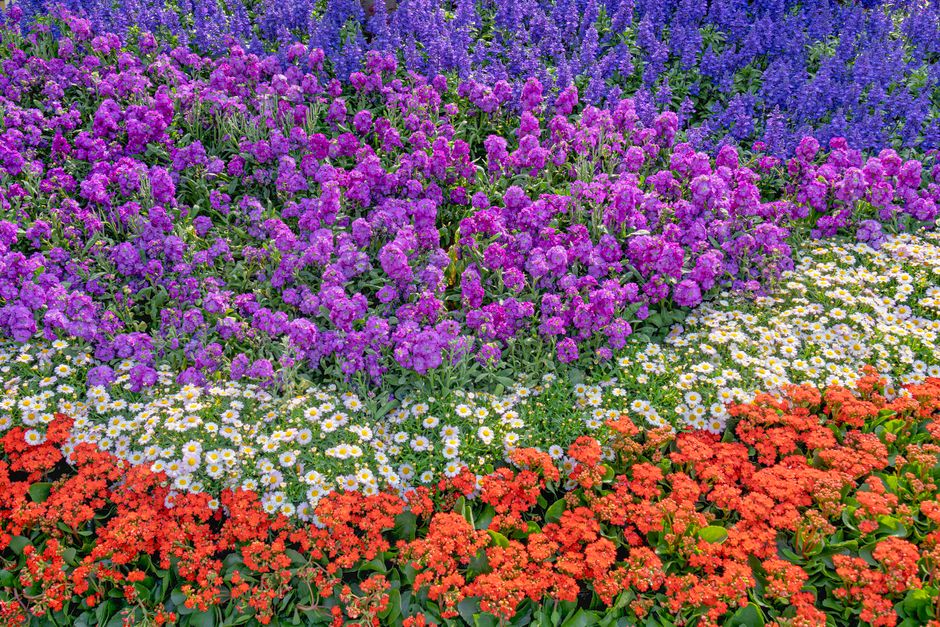
Public flower displays can transform a street. They soften hard pavements, make entrances feel cared for, and can give a small shopping parade a proper sense of place. In Redbridge, though, anything placed in a public area has to be handled with care because pavements, verges, forecourts, and highways all have different rules attached to them.
The main reason the council rules matter is simple: public space belongs to everyone. A display that looks charming in a photo can become a nuisance if it narrows a footway, creates a trip hazard, blocks sight lines, or gets in the way of maintenance crews, emergency access, or disabled pedestrians. To be fair, that is the kind of thing councils are paid to notice.
There is also the question of accountability. If a planter tips over in high winds or a floral arrangement sheds stems across a busy path, someone needs to be responsible for putting it right. That is why permits, licences, or other forms of permission are often part of the process. They do not exist to make life difficult; they exist to make public-space use predictable and safe.
Practical takeaway: if your floral display is outside your private boundary line, do not assume it is automatically allowed. The key question is not just whether it looks good, but whether it is lawful, safe, and maintainable.
There is another angle too: good compliance usually makes your display look better, not worse. A tidy, approved arrangement tends to last longer, survive weather better, and draw fewer complaints from neighbours. That means fewer awkward phone calls and fewer midnight panics when a planter has shifted three inches onto the pavement. You know the sort of thing.
How Redbridge council rules for public flowers displays and permits Works
The exact process depends on where the flowers will go and what they are for. A display on private land near a shop entrance is one thing. A floral feature placed on a public pavement, highway verge, town centre frontage, or shared space is something else entirely. The council will usually look at location, size, safety, access, duration, and responsibility for upkeep.
In practice, the process often starts with a simple question: is the display on land you control, or on land that is used by the public? If it is on public land or affects the public highway, you may need formal permission. If the display is on private land but visible from the street, the situation can be simpler, although safety and advertising or frontage issues may still matter.
Most councils, including Redbridge, tend to care about the same core issues:
- Whether pedestrians can pass safely and comfortably
- Whether wheelchair users, pushchairs, and mobility aids have enough space
- Whether the display blocks access to crossings, dropped kerbs, bus stops, or doorways
- Whether the display creates visibility problems for drivers or cyclists
- Whether the display is secure in wind, rain, or heavy foot traffic
- Who will maintain, water, clean, and remove it if needed
If your display is for a wedding, funeral tribute, seasonal celebration, shop promotion, or community event, the type of permission may differ. Some arrangements are temporary and low impact. Others are more like a street feature and need a proper review. Truth be told, the smaller and tidier the display, the easier the conversation usually goes.
One useful way to think about it is this: councils are not judging the flowers. They are judging the footprint, the risk, and the ongoing management. A simple arrangement can be perfectly fine if it is sensibly placed. An elaborate display can be a problem if it strays into public access space.
Key Benefits and Practical Advantages
Following the correct process has several advantages beyond just staying on the right side of the council. It can save time, improve the presentation of the display, and reduce the chances of complaints or removal.
Here are the biggest benefits:
- Less risk of removal: A permitted or agreed display is less likely to be treated as unauthorised street furniture or obstruction.
- Better safety: When the layout is reviewed properly, hazards are easier to spot before they become real problems.
- Smoother event planning: If you are organising a public ceremony or community day, a clear approval route helps the rest of the schedule fall into place.
- More professional appearance: A well-placed display usually looks neater and more intentional.
- Fewer neighbour issues: A considered setup reduces the chance of complaints about clutter, blocked access, or mess.
- Better longevity: Displays that are planned around weather, footfall, and maintenance usually last longer.
There is also a reputational benefit. If you are a local business, school, venue, or community organiser, showing that you respect public-space rules sends a very clear message. It says you are not just making things pretty; you are being a decent neighbour. That counts for a lot.
If you are planning a display linked to a celebration or memorial, the emotional side matters too. Families and guests tend to notice when a floral arrangement has been handled with care and set up properly. It feels calmer, more respectful, and less chaotic. A small thing, maybe. But small things add up.
Who This Is For and When It Makes Sense
This topic is relevant to a wider group than many people realise. Public flower displays are not just for big events or city-centre projects. They come up in everyday situations too.
You may need to look into Redbridge council rules for public flowers displays and permits if you are:
- A florist creating a temporary street-side display
- A shop owner placing planters or floral decor outside your premises
- An event organiser planning a public celebration or memorial
- A venue manager decorating an entrance that touches public pavement
- A community group working on a village-green or parade-style floral feature
- A family arranging tribute flowers in a public area after a service
- A wedding team styling an entrance, forecourt, or route used by pedestrians
It makes sense to check the rules whenever the display is even partly in a public-facing area. If you can stand on the pavement and wonder, "Is this ours or theirs?" then that is your cue to pause. A quick check now is much easier than a removal notice later.
In our experience, the most uncertain cases are usually the middle ground ones: a planter at the edge of a private forecourt, a floral arch close to a shared access route, or a one-day display that seems harmless but sits awkwardly near a crossing. Those are the cases where a little clarification saves a lot of hassle.
Step-by-Step Guidance
Here is a practical way to approach the process without overcomplicating it.
- Define the exact location. Mark out where the flowers will sit. Not roughly. Precisely. If it touches public land, treat that as important.
- Identify the type of display. Is it a planter, a floral arch, a tribute arrangement, a hanging basket, or a temporary event feature?
- Check whether the public can pass safely. Think about width, height, visibility, and whether anyone could trip, brush against, or knock into it.
- Decide who will maintain it. Watering, cleaning, stabilising, and removing the display should all be assigned to a real person or team.
- Gather supporting details. Photos, measurements, a simple sketch, and dates usually help a lot. Fancy drawings are nice, but a clear plan matters more.
- Make the enquiry or application. If permission is needed, send the request early and include enough detail to avoid endless back-and-forth.
- Keep records. Save approval notes, dates, and any conditions. They can be useful if staff change or the display is extended.
- Monitor the display once installed. The first day looks one way; the third windy evening can look very different.
A lot of delays happen because people describe the display vaguely. "Small flowers outside the shop" is not enough if the display is actually a row of ornate planters with candles, ribbons, and a base that creeps out into the footpath. Be honest and specific. It helps everyone.
If you are working on a seasonal or recurring display, build a repeatable process. That way the next setup is easier, and you do not have to reinvent the wheel each time. Nice and boring. Exactly what compliance wants.
Expert Tips for Better Results
There are a few practical habits that can make the whole process smoother.
- Keep the footprint smaller than you think you need. Displays nearly always look more elegant when they breathe a little.
- Use weighted, stable containers. Lightweight pots can move in wind or get nudged by foot traffic.
- Choose flowers that cope well outdoors. If the display is public-facing and temporary, hardier stems usually make better sense than fragile blooms.
- Plan for weather. Rain, heat, and wind all change how a display behaves. A sunny morning in Redbridge can turn into a damp afternoon before you know it.
- Think about maintenance access. If someone cannot water or tidy the display without stepping into a busy route, the design needs adjusting.
- Keep the style consistent with the setting. A simple arrangement often works better near a modest frontage, while larger ceremonial displays suit event spaces.
One small but useful tip: if you are unsure, place the display on the side that is clearly private rather than "just about" public. That half-metre can make all the difference. It sounds minor until you are the one trying to explain it to an inspector or an annoyed passer-by.
Another tip is to photograph the display after installation from a few angles. If anyone later asks what was approved, or whether the arrangement changed, you have a clear record. Simple, practical, done.
Common Mistakes to Avoid
Most problems with public floral displays are not dramatic. They are little things that get overlooked.
- Assuming "temporary" means "allowed". Temporary displays can still need permission if they affect public access.
- Forgetting access for disabled users. A display that looks fine to a standing adult may be awkward for wheelchair users or someone with limited sight.
- Using vague descriptions in the application. Councils dislike surprises, especially physical ones placed on a pavement.
- Letting the display drift over time. A neat arrangement can become a messy one after a week of wind and footfall.
- Ignoring local conditions. Busy roads, narrow pavements, school areas, and crossings all call for extra care.
- Not assigning responsibility. If nobody is clearly in charge, the display tends to become everyone's problem and nobody's job.
Another mistake, and this one catches people out, is thinking that if a display has been tolerated before, it is automatically approved forever. That is not how public-space permissions usually work. Conditions can change, staff can change, and a previously acceptable setup can become a problem if it grows, shifts, or stays longer than expected.
Let's face it, most council issues begin with good intentions and a slightly undercooked plan. Fix the plan and you fix most of the hassle.
Tools, Resources and Recommendations
You do not need a complicated toolkit, but a few practical items make the process much easier.
| Tool or resource | Why it helps | Best use |
|---|---|---|
| Measuring tape | Lets you confirm footway widths and display size | Planning and site checks |
| Phone camera | Creates a visual record before and after installation | Applications and dispute prevention |
| Simple site sketch | Shows exactly where the display will sit | Permission requests |
| Weather-resistant containers | Improves stability and reduces maintenance issues | Outdoor public displays |
| Maintenance checklist | Keeps watering, tidying, and removal organised | Longer-running installations |
For general flower handling and presentation, a helpful internal resource is flower care guidance. It is useful if your display needs to stay fresh for longer than a day or two, especially in changeable weather.
If your display is part of a wedding, you may also find the broader presentation ideas on wedding flowers in Redbridge IG4 relevant, especially when the floral setup extends into entrances, walkways, or shared arrival spaces.
And if you are comparing styles, sizes, or budgets for a public-facing floral feature, browsing all flowers can help you think through what suits the location rather than just what looks lovely in a basket. Which, to be fair, is half the battle.
Law, Compliance, Standards, or Best Practice
Because public flower displays involve public space, the key principles are usually around access, safety, liability, and local permission. The exact legal route can vary depending on the land ownership, the nature of the display, and whether it affects the highway or another managed public area.
In plain English, the safest way to approach compliance is to assume you need to prove three things:
- The display will not create a hazard
- The display will not obstruct normal use of the area
- The display will be looked after and removed when needed
Best practice also means thinking beyond the initial setup. A display can be compliant on day one and troublesome a week later if flowers collapse, containers shift, or decorations come loose. So good practice is not just about getting permission; it is about keeping the arrangement in the condition you promised.
If the display is near traffic or in a busy pedestrian area, it is wise to be conservative. Keep arrangements stable, avoid unnecessary height, and do not assume everyone can step around a planter easily. A bit of caution goes a long way. Really, it does.
Where formal permission is required, read any conditions carefully. Councils often attach requirements about hours, cleaning, size limits, maintenance, or removal. These details can feel tedious, but they are the bits that protect you later. Miss them now and you may end up paying for it in time, money, or both.
For broader transparency and site trust, you can also review the website's terms and conditions, delivery information, and guarantees if you are arranging flowers through a florist rather than handling the display yourself. Those pages do not replace council approval, of course, but they help set expectations around service and timing.
Options, Methods, or Comparison Table
There is more than one way to create a public floral display, and the right choice depends on how public the space is, how long the display will stay, and how much maintenance is realistic.
| Method | Typical use | Pros | Watch-outs |
|---|---|---|---|
| Planters at a frontage | Shops, cafes, venues | Simple, attractive, easy to refresh | May affect pavement width or need permission |
| Temporary event display | Celebrations, local events, memorials | Flexible and often short-term | Must be planned around access and removal timing |
| Floral arch or feature piece | Weddings, launches, special ceremonies | High visual impact | Can be bulky and more likely to need approval |
| Low-level tribute arrangement | Memorials and condolences | Respectful and contained | May still need location-specific approval |
| Private-land display near the boundary | Businesses and homes | Usually simpler if entirely private | Still needs care if it spills into public view or access space |
If you want a general look at different styles that may suit a public-facing arrangement, best sellers and florist choice can help you narrow down options without overthinking the design. Sometimes the simplest route is the sensible one. Fancy is not always better.
Case Study or Real-World Example
Here is a realistic example based on the kind of situation people often face in Redbridge.
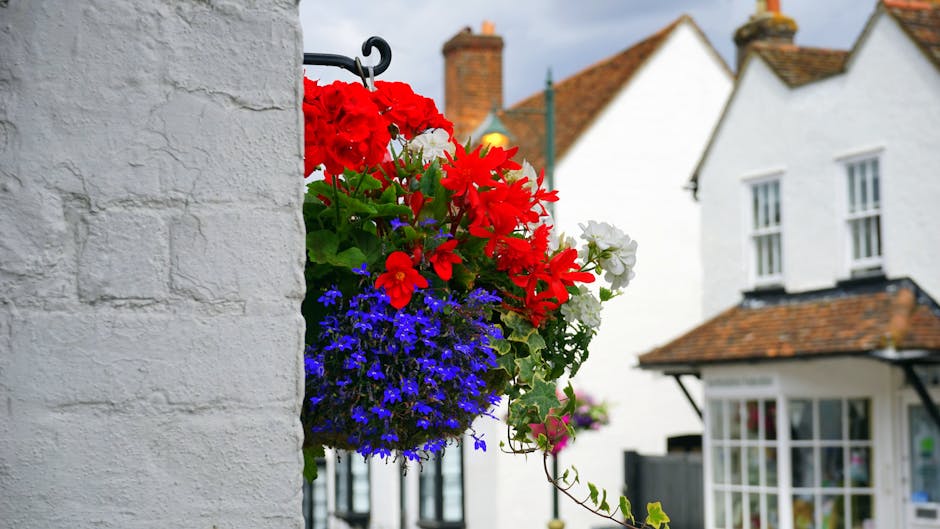
A local cafe wants to place two large floral planters outside its entrance for a spring promotion. The planters would sit partly on a paved frontage that is used by pedestrians heading to nearby shops. The cafe owner likes the idea because it would make the entrance feel warmer and more inviting, especially on a grey weekday morning when the street looks a bit flat.
At first glance, the plan seems harmless. But once they measure the space, they realise the planters would leave very little room for pushchairs and wheelchairs. One planter would also sit close to the door swing and the other would narrow the passage near a crossing point. Not ideal.
Instead of forcing the design, they reduce the size of the containers, move them fully onto the private side of the frontage, and prepare a short site note with photos and dimensions. They also assign staff to water and check them each morning. The final result looks better than the original idea, and it is much easier to defend if anyone asks questions.
That kind of adjustment is common. The approved version is often not the original version. And that is fine. Better to trim the plan slightly than end up with a beautiful but awkward obstruction on a busy path.
For seasonal styling that needs to feel full without being oversized, a softer palette like white flowers, purple flowers, or mixed colours can work well in public settings because they read clearly from a distance without feeling overdone.
Practical Checklist
Use this before you install anything in a public or public-facing space.
- Have I confirmed whether the display is on private land, public land, or the boundary between the two?
- Do I know whether permission or a permit is needed?
- Have I measured the space accurately?
- Will pedestrians, wheelchair users, and pushchairs still pass comfortably?
- Could the display block visibility or access in any way?
- Is the display stable in wind and rain?
- Have I chosen flowers and containers that suit the setting?
- Do I know who will water, clean, and monitor the display?
- Have I got photos, a sketch, or other supporting details ready?
- Do I know when the display will be removed?
If you can tick most of those off, you are already ahead of the game. Honestly, that is where the headaches disappear. Not always, but often enough.
Get a free quote today and see how much you can save.
Conclusion
Redbridge council rules for public flowers displays and permits are really about balance: making spaces look good without making them harder or less safe to use. If you plan carefully, measure honestly, and respect the public nature of the space, the process becomes much more manageable.
The big idea is simple. Start with the location, not the flowers. A display that fits the space will always perform better than a beautiful arrangement that causes access problems. Once you understand that, the rest gets easier. A lot easier, actually.
If you are creating a public floral feature in Redbridge, take the time to plan it properly, keep the design proportionate, and leave room for real people to move through the area comfortably. That is the kind of detail people remember, even if they do not say it out loud.
And when it all comes together, with the flowers fresh and the pavement clear and the street feeling just a bit more cared for, it is a good feeling. Properly good.
Frequently Asked Questions
Do I need permission for public flower displays in Redbridge?
If the display will be placed on public land, affect the highway, or narrow a public footpath, permission is often needed. If it stays entirely on private land, the rules are usually simpler, but you should still think about safety and access.
What counts as a public flower display?
Anything floral that sits in, over, or close to a space used by the public can count. That includes planters, seasonal displays, tribute flowers, event arrangements, and decorative pieces near entrances or pavements.
Can I put flower planters outside my shop without a permit?
Not always. If the planters sit on the pavement or affect pedestrian movement, you may need approval. Even a neat arrangement can be a problem if it reduces access too much.
How long does approval usually take?
It varies depending on the complexity of the display and the information provided. A clear, well-prepared request is more likely to move smoothly than a vague one.
What information should I include in an application?
Include the exact location, measurements, photos, the purpose of the display, how long it will remain, and who will maintain or remove it. The more precise you are, the better.
Are temporary floral displays treated differently from permanent ones?
Yes, usually. Temporary displays may be easier to approve, but they still need to meet safety and access expectations. Temporary does not mean automatically allowed.
What happens if my flowers block the pavement?
If a display blocks access, it may be moved, challenged, or removed. There can also be complaints from the public, especially if the obstruction affects wheelchairs, prams, or visually impaired pedestrians.
Do funeral or memorial flower displays need special care?
They often do, because they are emotionally sensitive and may be placed in public view. The practical rules still apply, though: access, stability, tidiness, and permission where needed.
Can I use candles or decorations with public flower arrangements?
Only with caution. Anything that increases fire risk, clutter, or hazard should be checked carefully before use. In public settings, simpler is usually safer.
What is the safest size for a public floral display?
There is no single size that fits every situation. The safest size is the one that leaves enough space for free movement and does not create a hazard. Measure the site and design around the space, not against it.
What if I am not sure whether the display is on public or private land?
That is the point where you should pause and verify the boundary before installing anything. A small location mistake can turn into a much bigger compliance issue later.
Can a florist help with permit-friendly planning?
Yes. A good florist can help you choose stable containers, suitable flowers, and a display style that works in a public-facing setting. They may also help you think more realistically about size, weather, and maintenance.